What is Hitech Psytrance (Hitech Psy)?
Hitech psytrance (also hi-tech, hitech or hi tech psy) is a fast, technically complex subgenre of psytrance at 170 to over 230 BPM, usually around 180–200 BPM. It is defined by glitchy, unpredictable synth sounds, detailed percussion, constant changes in the arrangement and a futuristic, alien character. Unlike psycore, hitech doesn't have to be dark: it can also sound playful and euphoric.
Hitech psytrance at a glance
| Tempo | 170–230+ BPM (typically 180–200) |
|---|---|
| Spellings | hitech, hi-tech, hitech psy, hi tech |
| Emerged | mid-2000s, out of darkpsy and forest |
| Sounds | glitch, lasers, FM leads, resampling, micro edits |
| Percussion | complex, punchy kick, irregular hi-hats |
| Mood | dark to euphoric |
| Related | psycore, darkpsy, full-on, forest |
| Scene | Brazil, Mexico, Colombia, Eastern and Western Europe |
Hitech BPM in numbers
Hitech psytrance runs at 170 to 230+ BPM, typically 180–200 BPM. One beat then lasts between 353 and 261 milliseconds and a sixteenth note between 88 and 65 ms, so every bass note has to fit into well under a tenth of a second.
| Tempo | One beat | Sixteenth note |
|---|---|---|
| 170 BPM | 353 ms | 88 ms |
| 185 BPM | 324 ms | 81 ms |
| 200 BPM | 300 ms | 75 ms |
| 230 BPM | 261 ms | 65 ms |
Where it sits in the psytrance tempo range
| Style | Tempo | Source |
|---|---|---|
| Full-on and progressive psytrance | 135–145 BPM | Charles 2020 |
| Forest psytrance | 148–150 BPM | Charles 2020 |
| Darkpsy | 150–200 BPM | Vitos 2015, quoted in Charles 2020 |
| Hitech psytrance | 170–230+ BPM | Code Chaos, studio practice since 2016 |
| Psycore | from about 190 BPM (Charles 2020); 180–300+ BPM in current releases | Charles 2020; Code Chaos |
Research on psytrance culture places hitech at the fast end of the scale. In his study of genre terms in psytrance, Christopher Charles (University of Bristol) groups dark psytrance, forest, hi-tech and psycore as
“very fast, intense genres meant for performance at night”
Measured loudness
In our own measurement of 553 hitech and psycore tracks the median integrated loudness is −8.3 LUFS (middle half −9.7 to −6.9 LUFS, measured after ITU-R BS.1770). Full-on and dark psytrance sit at −7.9 LUFS, so hitech is not mastered louder despite the higher tempo. Method and full tables: psytrance and hitech loudness data.
Origins
Hitech has its roots in the mid-2000s. Germany played an important part: the German artists Cosmo and Highko are often named as co-founders of the style. At the same time, producers in the darkpsy and forest scene of Eastern Europe and Russia, such as Kindzadza and Psykovsky, pushed the tempo and complexity of their tracks much further and carried sound design ideas from full-on into fast, dense arrangements. A distinct style emerged and soon spread across Europe.
Today hitech is one of the most active psytrance subgenres, with especially big scenes in Latin America (Brazil, Mexico, Colombia), Eastern Europe and Western Europe. In Germany hitech is closely linked to psycore: many producers move between both genres, including Code Chaos.
What does hitech sound like?
- Leads and FX: glitchy, "alien" sounds from FM synthesis, granular resampling and extreme waveshaping. Many elements are atonal and barely recognisable as melody.
- Percussion: a punchy kick plus complex hi-hat and percussion patterns, rolls and micro edits.
- Arrangement: unpredictable. Any phrase can flip; breaks and sudden turns are part of the concept.
- Production: extremely precise. Hitech works when every detail sits right and stays audible despite the density.
"Hitech is the language of machines translated into psychedelia. It demands absolute precision from the producer and absolute openness from the listener."Code Chaos
Hitech vs psycore
Both genres are fast and often share labels and parties, but they feel fundamentally different. Hitech is dynamic, surprising and polished; psycore is static, hypnotic and raw. Hitech can be euphoric, psycore is dark throughout. More in the psycore guide.
| Feature | Hitech | Psycore |
|---|---|---|
| BPM | 170–230+ | 180–300+ |
| Arrangement | shifting, surprising | static, repetitive |
| Sound | clear, polished, sci-fi | raw, dense, dark |
| Mood | dark to euphoric | dark throughout |
Hitech DJs and producers to know
A selection of hitech artists worth knowing (not a complete list):
- Highko, German hitech pioneer, often named together with Cosmo as a co-founder of the style
- Psykovsky, one of the pioneers of the fast, complex sound
- Alien Chaos, known for powerful, uncompromising sets
- Will O Wisp, valued for complex, glitchy, detailed hitech structures
- Inner Coma, one of the most popular acts in the fast psy underground
- Killa TK, strong in the modern, faster hitech scene
- Gotalien, hitech project from Italy
- Audiopathik, part of Kamino Records and founder of Pleiadian Records (Mexico)
- BionicForm, on the Indian hitech label Modulate Music
- Xenrox and Mad Scientist
- Code Chaos from Hamburg, hitech on the edge of psycore
Hitech festivals and parties
Hitech is played worldwide at forest and dark open airs and on the fast floors of big psytrance festivals, especially in Latin America and Eastern and Western Europe. In Germany, for example, the Mushroom Stage of Indian Spirit Festival is known for harder, experimental sounds. Earlier there were live sets, for example at Abstract Ritual Hamburg (2023) and Lost Signal Festival (2026); today Code Chaos is a studio-only project.
Producing hitech: notes from the studio
- Sound design before arrangement. Build a library of short, characterful glitch sounds and resamples before you start arranging.
- Punch, not length. At 190 BPM the kick needs a clear transient and a short body so the bass has room.
- Automation is everything. Filter, pitch, formant, drive: hitech leads live on constant movement.
- Saturate per frequency band. To keep dense leads from getting harsh, saturate bands separately: tape on the highs, tube on the mids. That is exactly what Crucible was built for.
- Leave space. Fewer elements at once, faster changes. That keeps the mix transparent despite the complexity.
Sources
Tempo ranges, descriptions and measurements on this page are based on:
- Christopher Charles (2020): Genre in Practice: Categories, Metadata and Music-Making in Psytrance Culture. Dancecult: Journal of Electronic Dance Music Culture 12(1).
- Botond Vitos (2009): The Inverted Sublimity of the Dark Psytrance Dance Floor. Dancecult: Journal of Electronic Dance Music Culture 1(1).
- International Telecommunication Union (2023): Recommendation ITU-R BS.1770-5: Algorithms to measure audio programme loudness and true-peak audio level. ITU-R.
- Code Chaos: Psytrance and hitech loudness data, own measurement of 553 hitech and psycore tracks plus 16 releases per comparison genre.
Tempo ranges without a source note come from Code Chaos studio practice since 2016.
Hitech psytrance by Code Chaos
Hitech releases by Code Chaos since 2022, from the album The Grudge to Runtime Terror (2026). Everything is available on Bandcamp.
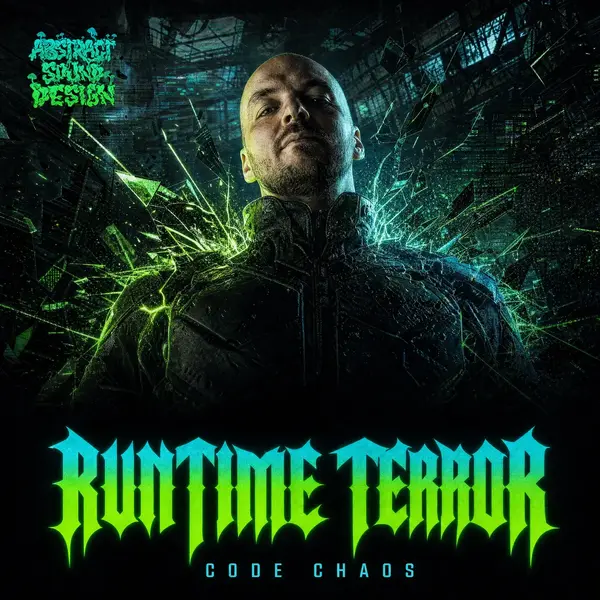 Runtime TerrorAlbum · 2026 · Hitech / Psycore / Darkpsy
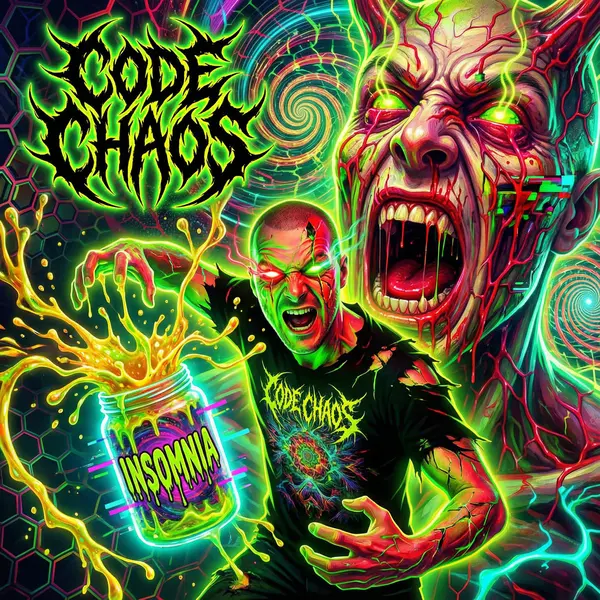 InsomniaEP · 2025 · Hitech / Psycore
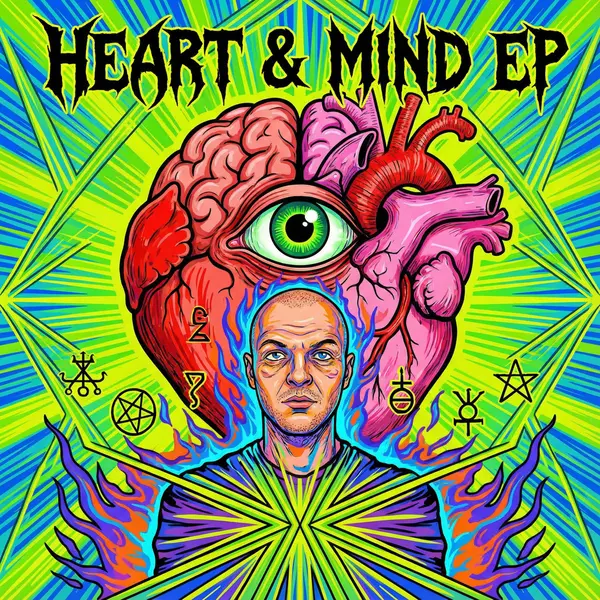 Heart & MindEP · 2025 · Hitech
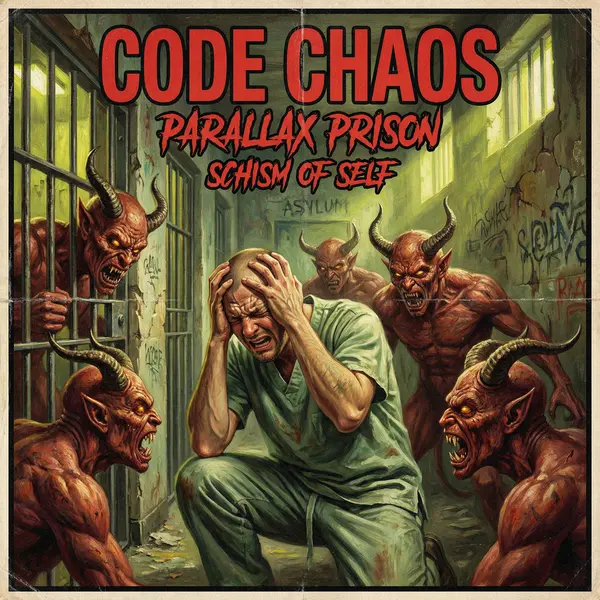 Parallax Prison – Schism of SelfEP · 2025 · Hitech · 185–195 BPM
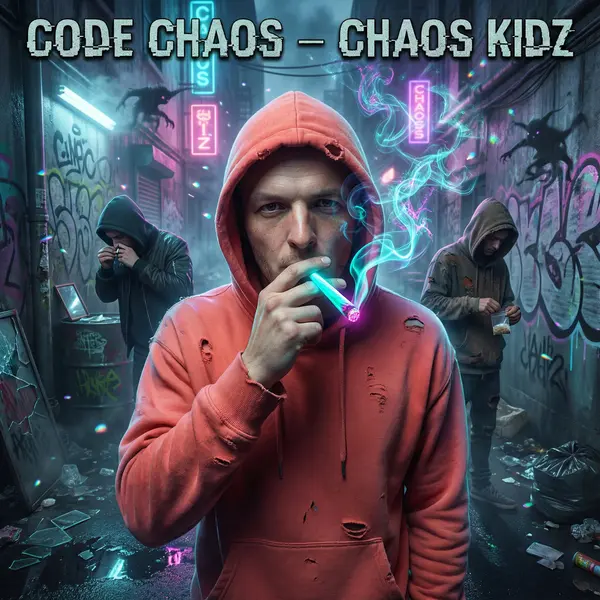 Chaos KidzSingle · 2025 · Hitech / Psycore
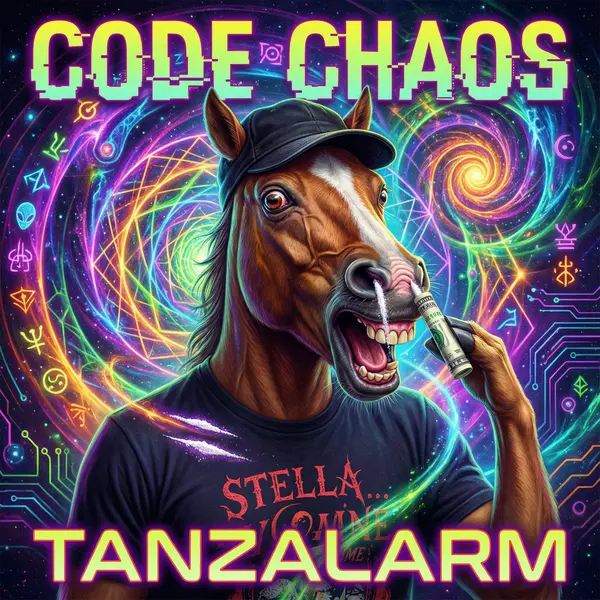 TANZALARM – The BPM MutationSingle · 2024 · Hitech / Psycore, multi-BPM
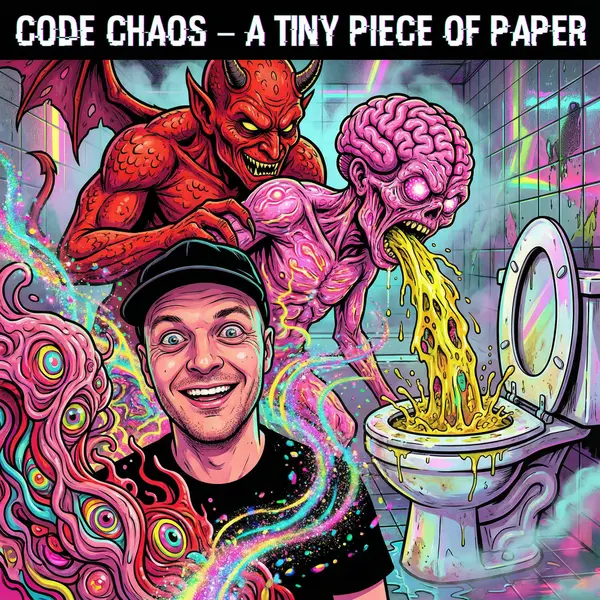 A Tiny Piece Of PaperEP · 2024 · Hitech
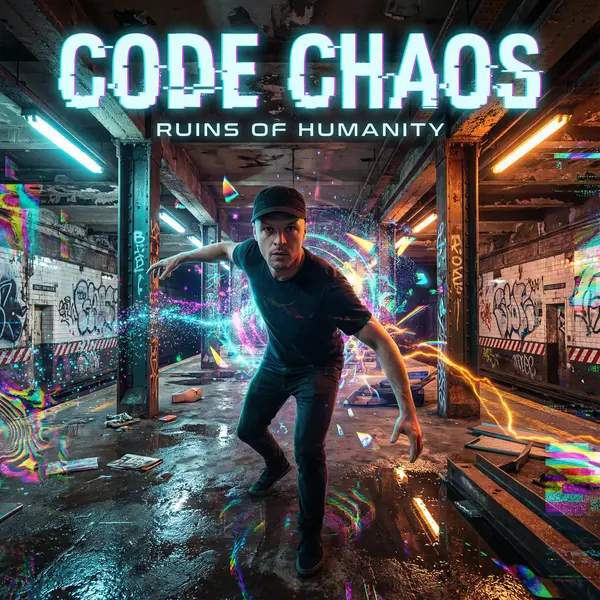 Ruins Of HumanityEP · 2023 · Hitech
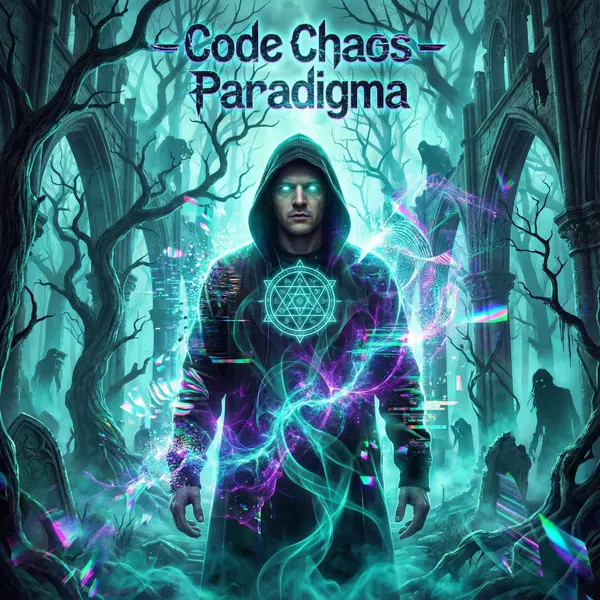 ParadigmaAlbum · 2023 · Hitech / Psycore
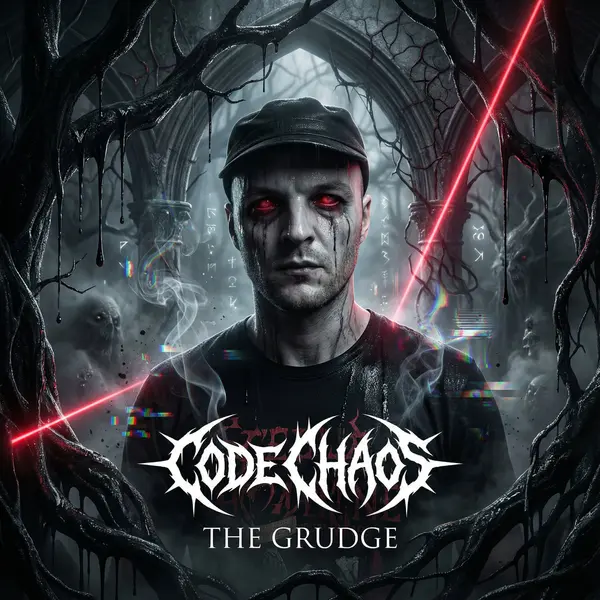 The GrudgeAlbum · 2022 · Hitech
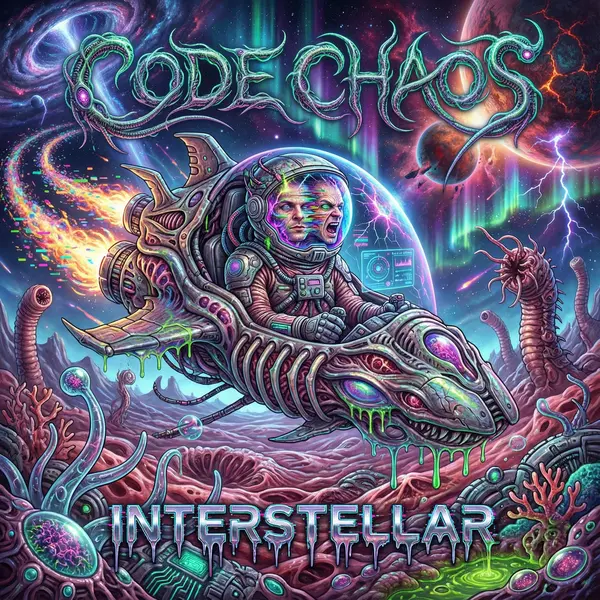 InterstellarEP · 2022 · Hitech
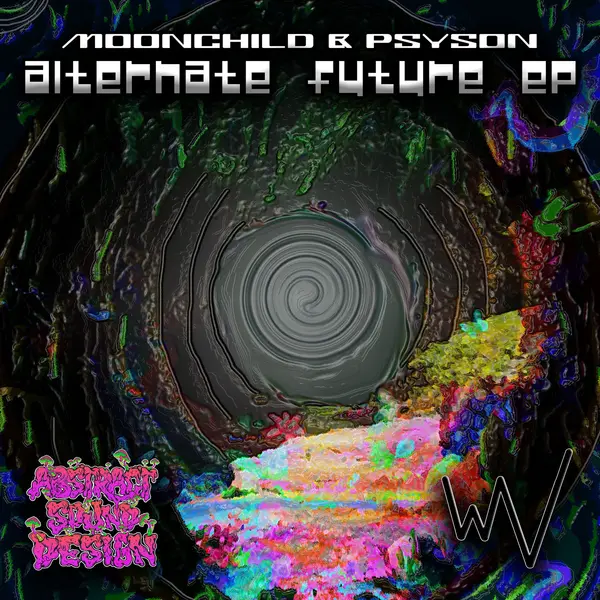 Alternate Future (feat. PsySon)EP · 2022 · Hitech
FAQ: Hitech Psytrance
What BPM is hitech psytrance?
Hitech usually runs between 170 and 230 BPM, with typical tracks around 180–200 BPM. Some producers go well beyond that and end up on the border to psycore.
Is it hitech or hi-tech? What is hitech psy?
All the same: hitech, hi-tech, hitech psy and hi-tech psytrance refer to the same psytrance subgenre at 170–230+ BPM. "Hitech psy" is simply short for hitech psytrance.
What is the difference between hitech and psycore?
Hitech is dynamic, complex and can be euphoric. Psycore is faster (180–300+ BPM), more minimal, static and dark throughout.
Where can I buy hitech psytrance?
Many hitech releases come out on Bandcamp. Hitech by Code Chaos is available at codechaos.bandcamp.com in WAV, FLAC and MP3.
Which hitech DJs and producers should I know?
For example Highko, Psykovsky, Alien Chaos, Will O Wisp, Inner Coma, Killa TK, Gotalien, Audiopathik, BionicForm, Xenrox and Mad Scientist, plus Code Chaos from Hamburg.
Mastering for your hitech track
Code Chaos offers genre-specific mastering for hitech, psycore and darkpsy that keeps dense arrangements loud and transparent, from €79 per track. How loud current hitech releases are mastered: our loudness data from 553 tracks. Code Chaos is a studio-only project from Hamburg today, bookings are not available.
More genre guides
Psycore
The most extreme psytrance subgenre: sine kicks, neurotrance basslines and hypnotic, static soundscapes at 180–300+ BPM.
Read more →Darkpsy
The dark side of psytrance: heavy basslines, occult atmosphere and horror samples at 150–200 BPM. The root of hitech and psycore.
Read more →